


Items filtered by date: November 2025
Types of Neck Pain

Neck pain is a common condition that can range from mild discomfort to severe, debilitating pain. Symptoms include stiffness, soreness, limited range of motion, and headaches. The two primary types of neck pain are axial and radicular. Axial neck pain is localized to the neck area and often results from muscle strain or poor posture. Radicular neck pain occurs when a nerve is compressed or irritated, causing pain, tingling, or numbness that radiates into the shoulder, arm, or hand. A chiropractor can assess spinal alignment, muscle balance, and nerve function to develop a personalized treatment plan. If you have neck pain, it is suggested that you schedule an appointment with a chiropractor for professional care and relief.
Neck pain is a prevalent issue affecting countless individuals, resulting in discomfort, reduced mobility, and difficulty in performing daily tasks. Persistent neck pain can significantly diminish one's quality of life, making it essential to find effective management strategies. Chiropractic care offers a safe, non-invasive approach designed to relieve pain, restore movement, and improve overall neck function.
Chiropractors utilize gentle, targeted spinal adjustments aimed at correcting misalignments and enhancing neck flexibility. By properly aligning the vertebrae and reducing tension in the surrounding muscles, chiropractic adjustments help alleviate pressure and reduce inflammation, providing relief from pain and stiffness. Improved spinal alignment also supports optimal nerve function, potentially reducing discomfort and promoting better posture.
In addition to spinal adjustments, chiropractors typically recommend tailored exercises and stretches designed to strengthen the neck and upper back muscles, improving posture and reducing strain. Chiropractors may also provide guidance on lifestyle modifications, including ergonomic workplace adjustments and sleep positioning, to further support long-term neck health.
If you have any questions please feel free to contact our office located in Davie, FL .
How Chiropractic Care Can Alleviate Arthritis Pain
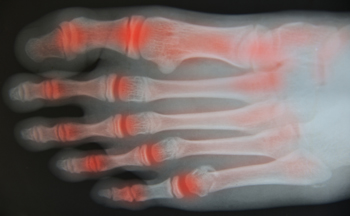
Chiropractic care can play a supportive role in easing arthritis-related discomfort by focusing on the alignment and mobility of the joints. Arthritis often leads to stiffness, swelling, and reduced range of motion, which can place added stress on surrounding muscles and tissues. A chiropractor can assess areas of restricted movement and use gentle adjustments to improve joint function, reduce pressure on nerves, and enhance overall mobility. These adjustments may also help promote better posture and balance, decreasing strain on affected areas of the body. In addition, a chiropractor may use specialized techniques to improve circulation and support joint flexibility, which can help the body function more efficiently. While arthritis cannot be reversed, chiropractic care may help manage pain and improve quality of life by addressing the physical stress that often accompanies this condition. If you are suffering from arthritis pain, it is suggested that you make an appointment with a chiropractor to see how your quality of life can be improved.
Arthritis Relief
Arthritis, a common condition affecting millions, causes inflammation, stiffness, and pain in the joints. It can make everyday activities challenging and significantly impact quality of life. While there is no cure for arthritis, chiropractic care offers a natural, non-invasive way to manage symptoms and improve joint function.
Chiropractors focus on enhancing joint mobility and reducing inflammation through gentle, targeted adjustments. By realigning the body and restoring proper movement, chiropractic care can help relieve the pressure on arthritic joints, alleviating pain and stiffness. Adjustments also support better circulation, which may help reduce inflammation around affected joints.
In addition to adjustments, chiropractors often recommend specific exercises and stretches to strengthen muscles surrounding the joints, improving stability and reducing stress on the joints over time. They may also advise on lifestyle adjustments, such as dietary changes or ergonomic modifications, to support overall joint health.
Why Consider Chiropractic for Arthritis?
Chiropractic care provides a holistic approach to managing arthritis, addressing not just the symptoms but also underlying issues that contribute to discomfort. With regular care, many arthritis patients experience improved mobility, reduced pain, and a higher quality of life. Chiropractic care can be an effective complement to other arthritis treatments, supporting a more active, comfortable lifestyle.
What Types of Arthritis Can Benefit from Chiropractic Care?
Chiropractic care can benefit both osteoarthritis and rheumatoid arthritis by focusing on reducing joint strain and promoting better movement.
If you have any questions, please feel free to contact our office located in Davie, FL .
Chiropractic Care May Ease Discomfort From Knee Osteoarthritis

Knee osteoarthritis is a common condition that develops when the cartilage that cushions the knee wears down over time. This can lead to pain, stiffness, and reduced mobility. Chiropractic care offers a non-invasive approach that may help manage these symptoms. Gentle adjustments to the spine and lower extremities can improve alignment, which may reduce pressure on the knee joint. Chiropractors also use therapies such as soft tissue work, stretching, and guided exercises to support strength and mobility. Improving how the body moves as a whole often brings relief to joints that are under constant strain. Treatment plans are tailored to your level of pain and stage of degeneration. If knee discomfort is limiting your daily life and you are looking for supportive care options, it is suggested that you consult a chiropractor who can assess your movement and offer appropriate care.
Knee Pain
Knee pain is a frequent complaint that can arise from injuries, overuse, arthritis, or misalignments in the body. This pain can disrupt daily life, limiting movement and impacting quality of life. Knee discomfort often develops when the body’s structural alignment is off, which places extra strain on the knee joint and surrounding muscles and ligaments.
Chiropractic care focuses on reducing knee pain by assessing and addressing alignment throughout the lower body. Gentle adjustments may be used to realign the knee and correct imbalances in the hip, pelvis, and spine that contribute to excessive knee stress. Restoring alignment in these areas can relieve pressure on the joint, ease pain, and promote improved mobility.
To support these adjustments, chiropractors often incorporate exercises, stretches, and lifestyle guidance to improve strength and flexibility around the knee. Strengthening muscles surrounding the joint can offer additional stability, helping to prevent future injuries.
Is knee pain treatment going to be painful?
Patients may worry that adjustments or other treatments will hurt. Chiropractors reassure patients that the techniques used are generally gentle, with any discomfort being mild and short-lived. They work within the patient’s pain tolerance.
How many sessions will I need?
Frequency and number of sessions depend on the pain’s severity and the patient’s response to treatment. Chiropractors often suggest a treatment plan tailored to the individual, sometimes starting with frequent visits and tapering as improvement occurs.
If you have any questions please feel free to contact our office located in Davie, FL .
Understanding Herniated Discs and Chiropractic Relief
 A herniated disc occurs when the soft, gel-like center of a spinal disc pushes through a tear in the disc’s outer layer, often due to age-related wear or sudden injury. This can place pressure on surrounding nerves, causing symptoms like pain, numbness, or weakness, typically radiating down the arms or legs, depending on the disc’s location. Herniated discs are most common in the lower back and neck, areas of the spine that handle considerable movement and stress. Pain may worsen with certain movements, and recovery can be slow without proper care. Chiropractic treatment offers a non-invasive approach to managing herniated discs. Chiropractors use specific spinal adjustments and gentle, targeted techniques to relieve pressure on the affected area, potentially reducing pain and restoring mobility. If you suffer from back pain, it is suggested that you contact a chiropractor for treatment.
Bulging and herniated discs are common spinal conditions that can lead to persistent pain, discomfort, and limited mobility. A disc bulge occurs when the outer layer of the spinal disc begins to protrude, while a herniated disc involves a rupture that allows the inner gel-like core to seep out. Both conditions often compress nearby nerves, resulting in pain, tingling, numbness, and muscle weakness that can affect the back, legs, and even arms.
From a chiropractic perspective, addressing disc bulges and herniations focuses on reducing pressure on the spinal nerves and restoring proper spinal alignment. Chiropractors employ gentle, targeted adjustments designed to alleviate nerve compression and improve spinal mechanics. By correcting misalignments, chiropractic care can help reduce inflammation, enhance blood flow, and promote natural healing processes. This holistic approach aims to relieve pain without invasive procedures or medication.
For many patients, complementary therapies like spinal decompression, therapeutic exercises, and lifestyle guidance support long-term relief and function. Chiropractic care offers a non-surgical, drug-free path to managing disc issues, focusing on enhancing overall spinal health and reducing the likelihood of recurring symptoms. Each treatment plan is tailored to the patient’s specific needs and goals, ensuring an effective, individualized approach.
1. Is chiropractic treatment safe for herniated discs?
Generally, chiropractic care is safe for herniated discs when performed by a licensed professional who assesses the condition carefully. Mild adjustments or specific techniques are often used to avoid further injury.
2. How long does it take to see improvement?
Improvement times vary, but many patients notice reduced pain and better mobility within a few weeks of consistent chiropractic care, depending on the disc’s severity and other factors.
If you have any questions please feel free to contact our office located in Davie, FL .
