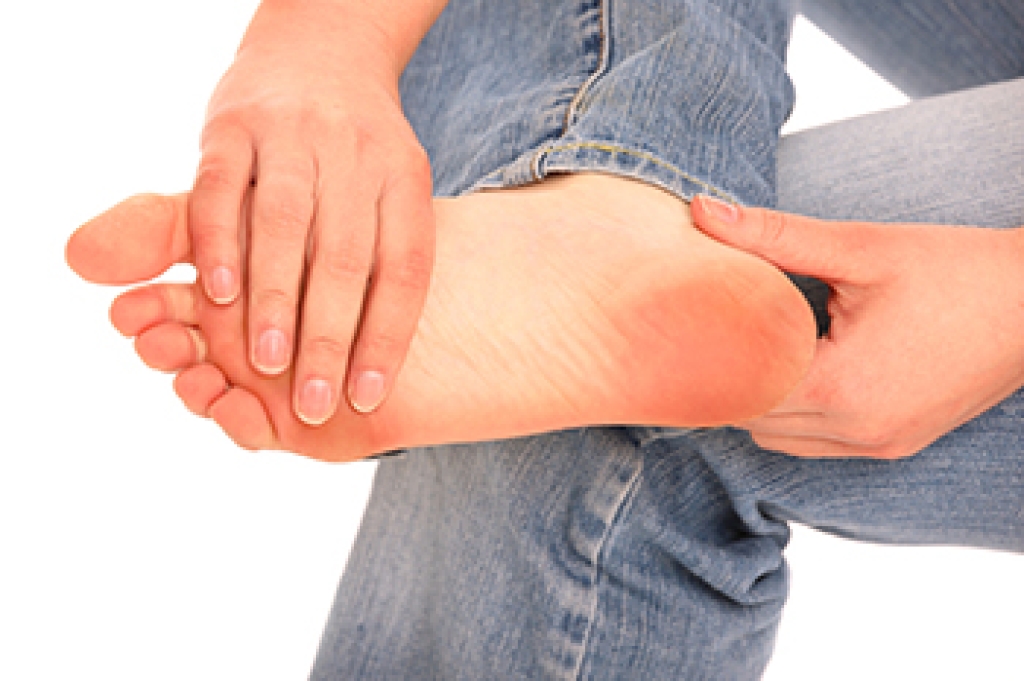
Chiropractic Treatment for Foot Pain

Foot pain can make standing, walking, and other daily activities uncomfortable. Each foot contains many bones, joints, and supporting tissues that work together to provide balance and movement. Pain can affect the heel, arch, or toes. It can also develop along the top or ball of the foot. Several problems can contribute to foot pain, including injury or repeated strain. Shoes that fit poorly or lack proper support can also place added pressure on certain areas. Symptoms can include aching, stiffness, and tenderness. Some patients experience swelling or sharp pain when placing weight on the affected foot. Identifying where the discomfort occurs and which movements increase it can help determine what is contributing to the problem.

A chiropractor can evaluate foot pain by examining the affected area and asking how the symptoms developed. The chiropractor can also examine the ankle and lower leg because movement in these areas can influence how pressure is distributed through the foot. Observing how the patient stands and walks can reveal movement patterns that place extra stress on certain areas. Chiropractic treatment can focus on improving movement in joints that are stiff or restricted. Gentle adjustments can help improve mobility in the foot or ankle. Soft-tissue techniques can address tight muscles that affect movement. A chiropractor can develop a treatment plan based on the location and cause of the patient's discomfort.

Foot pain can cause patients to shift their weight or change their walking pattern to avoid discomfort. These changes can place additional stress on the ankles, knees, or hips. Care can focus on improving mobility, reducing muscle tension, and supporting better movement. Follow-up evaluations allow the chiropractor to monitor symptoms and adjust treatment as function improves. Addressing movement problems can help patients walk more comfortably and return to normal activities. If you have foot pain, it is suggested that you schedule an appointment with a chiropractor for a diagnosis and appropriate treatment.

Foot pain is a common problem that can stem from various causes, such as overuse, injury, or conditions like plantar fasciitis and flat feet. It may present as sharp, aching, or throbbing sensations, often making daily activities like walking or standing uncomfortable. Poor alignment of the foot and ankle can lead to additional strain on surrounding muscles and joints, worsening the problem. Left untreated, foot pain can interfere with mobility and overall quality of life.
Chiropractors take a holistic approach to addressing foot pain. By assessing posture, gait, and foot structure, they can identify underlying imbalances contributing to discomfort. Treatment often includes gentle joint adjustments to restore proper alignment, soft tissue therapies to ease tension, and custom exercises to strengthen the affected area. Chiropractic care aims to resolve the root causes of foot pain and improve function naturally.

1. How does foot pain relate to issues in the back or hips?
Foot pain can often be a symptom of biomechanical issues higher up the kinetic chain, such as misalignments in the hips or lower back. Chiropractors assess these connections to treat the root cause.
2. Do chiropractors treat conditions like plantar fasciitis differently from podiatrists?
Chiropractors focus on whole-body alignment, addressing how foot pain may stem from or contribute to imbalances in the spine or posture, complementing podiatric approaches.
3. Can chiropractic care improve my walking or running gait?
Yes, by correcting misalignments and improving joint function, chiropractic care can enhance gait mechanics, reducing strain and preventing future foot pain.
If you have any questions please feel free to contact our office located in Davie, FL . 

 

Read more about Foot Pain

Joint Stiffness Relief Through Chiropractic Care

Joint stiffness makes movements feel difficult or uncomfortable. Joints connect bones and allow the body to bend, turn, and reach. Cartilage covers the ends of bones, helping them move with less friction. Muscles and ligaments support joint movement. Stiffness sometimes develops after periods of rest or limited activity. Other causes involve injuries, arthritis, or inflammation. Patients may notice tightness when getting out of bed or standing after sitting. Some experience swelling or aching around an affected joint. Stiffness affects the knees, hips, and shoulders, but it also occurs in smaller joints. Symptoms that last longer than expected deserve attention. Understanding when stiffness appears helps identify its cause and guide treatment.

A chiropractor begins by asking when stiffness started and which movements feel restricted. An examination includes checking joint motion, posture, and muscle tenderness. The chiropractor also considers previous injuries and changes in daily activity. These findings help determine whether hands-on care is suitable. For certain movement problems, gentle joint techniques aim to improve mobility and ease discomfort. Soft-tissue treatment addresses tight muscles surrounding stiff joints. Professionally supervised exercises focus on strength and controlled movement. Treatment varies according to the affected joint and the patient's symptoms. A chiropractor avoids forceful treatment when a joint is severely inflamed or unstable. Warmth, redness, or sudden swelling requires careful assessment before treatment. Follow-up examinations help measure progress and determine whether the chosen approach is helping.

Joint stiffness sometimes makes climbing stairs, reaching overhead, or turning the neck more challenging. Patients may change how they move to avoid discomfort. These changes sometimes place extra strain on nearby muscles and joints. A chiropractor observes these patterns and develops a plan suited to the patient's needs. Care focuses on improving movement while respecting painful limits. Follow-up visits track flexibility, comfort, and daily function. The chiropractor also explains realistic goals and reviews changes in symptoms.  If you have joint stiffness, it is suggested that you schedule an appointment with a chiropractor for effective relief and management solutions.

Joint Stiffness

Chiropractic care is a natural, non-invasive option for managing joint stiffness. Whether it is caused by arthritis, injury, or repetitive strain, joint pain can greatly impact daily life, limiting mobility and causing discomfort. Chiropractors focus on relieving joint pain by addressing alignment and functional movement in the affected areas, helping to restore comfort and flexibility. 

Alleviating Joint Stiffness

When treating joint stiffness, chiropractors use a combination of gentle adjustments, soft tissue therapy, and mobilization techniques to reduce inflammation, ease stiffness, and promote better joint function. By aligning the body properly, chiropractic care can reduce the pressure on joints, allowing them to move more freely and reducing wear and tear over time.

 In addition to adjustments, chiropractors often guide patients in targeted exercises to strengthen muscles surrounding the joints. These exercises, tailored to each individual, help improve joint stability and reduce the likelihood of future pain. Chiropractors may also provide lifestyle recommendations, such as ergonomic adjustments or nutrition tips, to support joint health and promote healing.

 Why Consider Chiropractic for Joint Stiffness?

 Chiropractic care addresses the underlying causes of joint stiffness, offering relief and improved quality of life. With regular care, patients often experience increased mobility, reduced pain, and a healthier, more active lifestyle.

 Can Chiropractic Care Prevent Future Joint Stiffness?
 

Regular chiropractic care supports alignment, which helps prevent strain and reduces the likelihood of future joint stiffness.

If you have any questions, please feel free to contact our office located in Davie, FL . 

Read more about Joint Stiffness

Elbow Pain Relief

Elbow pain can result from overuse, tendon strain, or repetitive motion. It may interfere with lifting, gripping, or even simple daily activities. Non-invasive and drug-free care can provide lasting relief.

Contact us today for effective elbow pain treatment.

Understanding Arthritis and Joint Pain

Arthritis can affect the way joints move and make everyday activities more uncomfortable. Joints are areas where two bones meet, allowing the body to bend and move. Arthritis refers to several disorders that affect these areas, often causing pain, swelling, and stiffness. Some people notice tenderness around a joint, while others experience warmth or redness. As symptoms progress, movement may become more limited. Arthritis can affect different parts of the body, including the knees, hands, and spine. The level of discomfort varies from person to person and may change over time. Understanding arthritis symptoms is an important part of recognizing how joint problems affect daily life.


There are several types of arthritis, each with different causes. Osteoarthritis is the most common form and is often associated with aging or previous joint injuries. Rheumatoid arthritis develops when the immune system mistakenly attacks healthy tissues, leading to joint inflammation. Gout is another form that occurs when excess uric acid builds up in the body, often affecting the big toe. Certain factors may increase the likelihood of developing arthritis. These include family history, older age, and previous joint damage. Arthritis symptoms may gradually become more noticeable, making it difficult to perform activities that require comfortable joint movement. Because different forms affect the body in different ways, identifying the type of arthritis helps guide appropriate care.


Chiropractic care may provide a supportive approach to managing movement difficulties associated with certain types of arthritis. A chiropractor can discuss symptoms, assess joint mobility, and consider how stiffness affects everyday activities. An individualized care plan can focus on comfortable movement while taking the type and severity of arthritis into account. Chiropractic adjustments are not suitable for every inflamed or damaged joint, so careful evaluation matters. If arthritis-related stiffness or joint pain is affecting your mobility, it is suggested that you consult a chiropractor for an evaluation and appropriate care options.

Arthritis Relief

Arthritis, a common condition affecting millions, causes inflammation, stiffness, and pain in the joints. It can make everyday activities challenging and significantly impact quality of life. While there is no cure for arthritis, chiropractic care offers a natural, non-invasive way to manage symptoms and improve joint function.

Chiropractors focus on enhancing joint mobility and reducing inflammation through gentle, targeted adjustments. By realigning the body and restoring proper movement, chiropractic care can help relieve the pressure on arthritic joints, alleviating pain and stiffness. Adjustments also support better circulation, which may help reduce inflammation around affected joints.

In addition to adjustments, chiropractors often recommend specific exercises and stretches to strengthen muscles surrounding the joints, improving stability and reducing stress on the joints over time. They may also advise on lifestyle adjustments, such as dietary changes or ergonomic modifications, to support overall joint health.

Why Consider Chiropractic for Arthritis?

Chiropractic care provides a holistic approach to managing arthritis, addressing not just the symptoms but also underlying issues that contribute to discomfort. With regular care, many arthritis patients experience improved mobility, reduced pain, and a higher quality of life. Chiropractic care can be an effective complement to other arthritis treatments, supporting a more active, comfortable lifestyle.

What Types of Arthritis Can Benefit from Chiropractic Care?

Chiropractic care can benefit both osteoarthritis and rheumatoid arthritis by focusing on reducing joint strain and promoting better movement.

If you have any questions, please feel free to contact our office located in Davie, FL . 

Read more about Arthritis
Advanced Podiatric Procedures & Services in the Palm Beach County, FL: Boynton Beach, West Palm Beach, Delray Beach & Boca Raton, Lantana & Lake Worth Beach, Ocean Ridge & Gulf Stream, Hypoluxo, Wellington, Greenacres, FL & Broward County, FL: Plantation, Davie, Cooper City, Lauderhill & Lauderdale Lakes, Weston, Pembroke Pines & Miramar, FL areas